
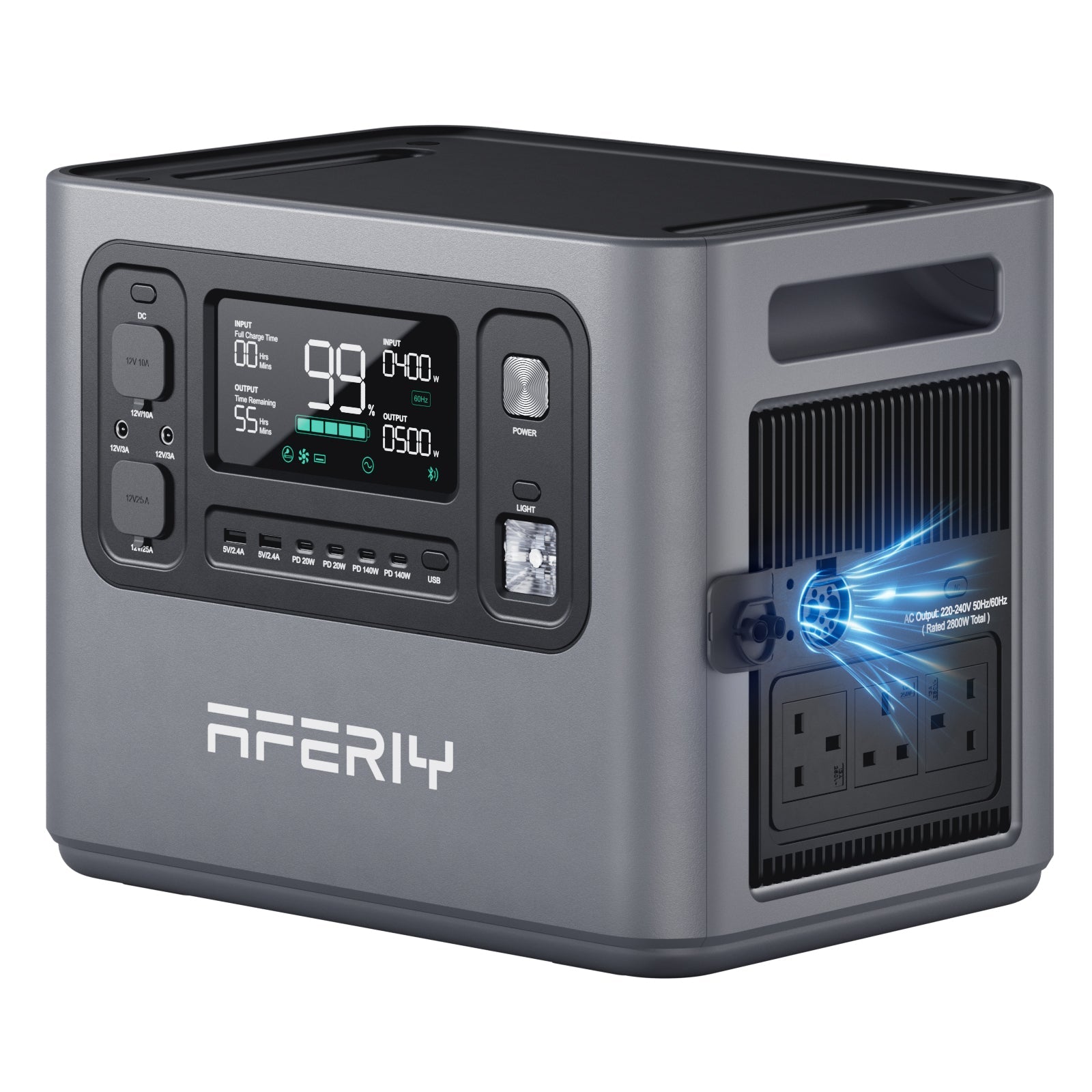
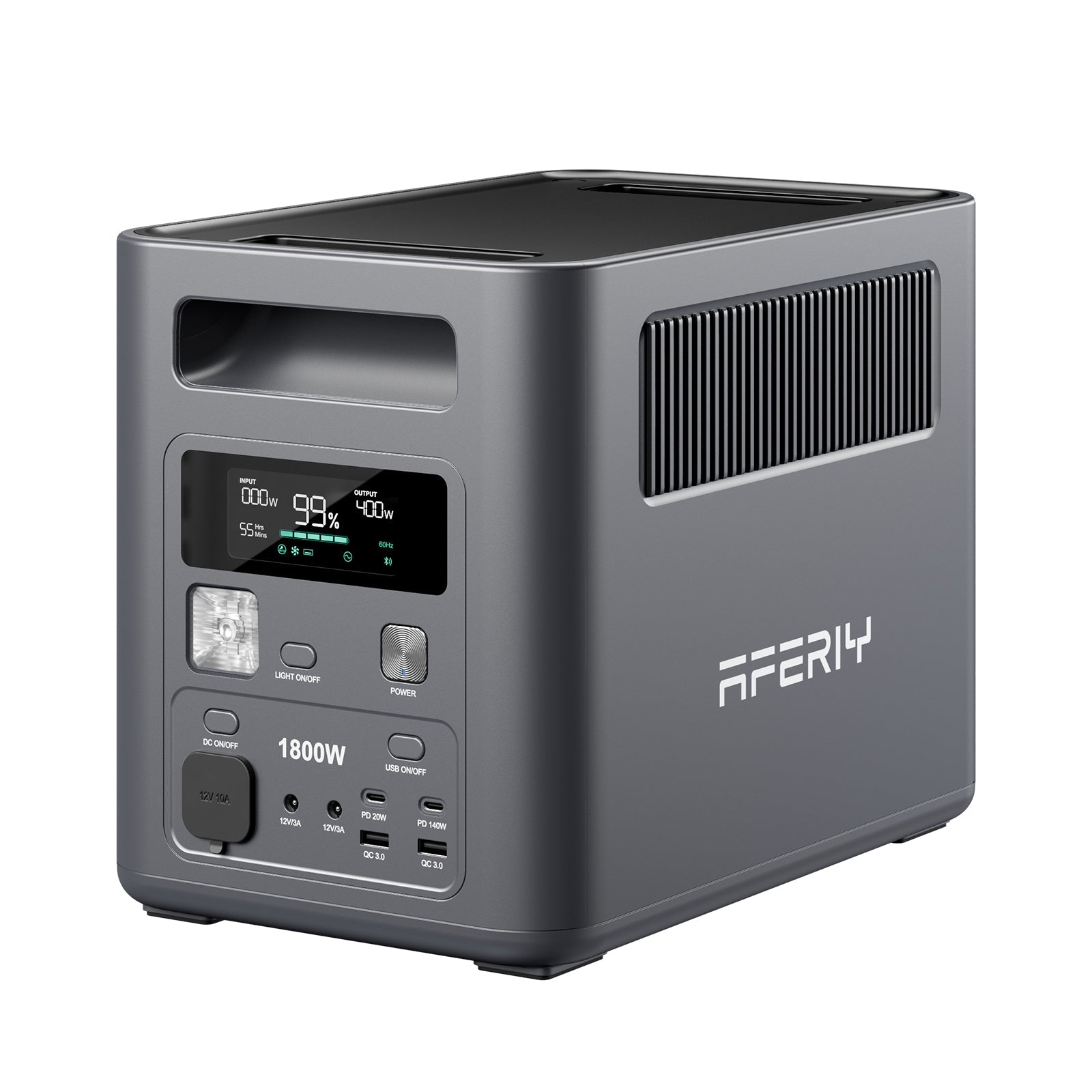


Portable power stations have become a popular choice for camping, caravanning, outdoor work, emergency backup power, and off grid living.
No matter if you are preparing for outdoor adventures or looking for a reliable backup power solution, solar charging offers flexibility and convenience. In this detailed guide, we explain everything you need to know about charging a portable power station using solar panels.
Why Use Solar Panels to Charge a Power Station?
Solar charging allows you to generate electricity directly from sunlight and store it in your power station for later use. Solar energy is renewable and does not require access to a power outlet. This makes it particularly useful when camping, travelling, working in remote locations, or preparing for emergency situations.
Many people choose solar charging because it provides greater energy independence and allows them to recharge their power stations almost anywhere with sufficient sunlight.
Can Any Power Station Be Charged with Solar Panels?
Most modern portable power stations support solar charging but it is important to check the manufacturer's specifications before purchasing solar panels.
Many power stations include dedicated solar input ports that allow direct connection to compatible solar panels. Some models may require specific connectors or adapters. Before learning how to charge a power station with solar panels, always confirm that your power station is designed to accept solar input.
What Equipment Do You Need?
Charging a power station with solar energy is usually an easy process.
In most cases, you will need:
-
A portable power station
-
Compatible solar panels
-
Appropriate charging cables or connectors
-
Access to direct sunlight
Understanding Solar Panel Wattage
Solar panels are available in different sizes and power ratings. The wattage of a solar panel affects how quickly it can recharge your power station. Generally, higher wattage solar panels can generate more electricity and may charge the battery faster under suitable weather conditions.
However, charging speed can also depend on factors like sunlight intensity, panel positioning, weather conditions, and the power station's charging limits. Understanding these factors is important when learning how to charge a power station effectively using solar energy.
Step 1: Place the Solar Panels in Direct Sunlight
The first step is positioning the solar panels correctly. For the best results, place the panels in an area that receives direct sunlight for most of the day. Avoid shaded areas, trees, buildings or other objects that may block sunlight.
Step 2: Connect the Solar Panels to the Power Station
Once the solar panels are positioned correctly, connect them to the power station using the appropriate cables. Most modern systems are designed to make this process simple and user-friendly.
Always follow the manufacturer's instructions to ensure the connection is safe and compatible with your equipment.
Step 3: Monitor the Charging Process
After the connection is made, the power station will usually display charging information on its screen.
Many models show:
-
Input power levels
-
Battery percentage
-
Estimated charging time
-
Charging status
How Long Does Solar Charging Take?
Charging times can vary significantly depending on several factors. These include:
-
Solar panel wattage
-
Battery capacity
-
Weather conditions
-
Sunlight intensity
-
Time of year
A larger solar panel generally charges a power station faster than a smaller one. However, cloudy weather or poor panel positioning may reduce charging efficiency.
Factors That Affect Solar Charging Performance
Many factors can influence how efficiently a power station charges from solar panels.
Weather Conditions
Bright sunny days provide the best charging performance. Cloud cover, rain, and poor weather can reduce solar output and increase charging times.
Panel Positioning
The angle and direction of your solar panels can affect how much sunlight they capture throughout the day. Correct positioning improves the energy generation.
Battery Capacity
Larger batteries need more energy to reach a full charge. As a result, larger power stations generally take longer to recharge than smaller models.
Solar Panel Size
Higher wattage panels usually produce more electricity and help you reduce charging times when conditions are favourable.
Benefits of Solar Charging
-
Renewable Energy Source: Solar power uses energy from the sun which makes it a sustainable alternative to traditional electricity sources.
-
Useful for Remote Locations: Solar charging can be particularly valuable in areas where mains electricity is unavailable.
-
Reduced Dependence on Grid Electricity: Generating your own electricity may help reduce reliance on traditional energy sources.
-
Best for Outdoor Activities: Campers, caravan owners, and outdoor enthusiasts often use solar charging to maintain power while travelling.
Common Mistakes to Avoid
When charging a power station with solar energy, there are several mistakes that users should avoid. One common mistake is placing panels in partially shaded areas. Even small amounts of shade can reduce performance.
Another issue is using incompatible connectors or solar panels that do not match the power station's specifications. Failing to position panels correctly can also limit charging efficiency. By avoiding these mistakes, users can achieve better results and make the most of available sunlight.
Conclusion
Understanding how to charge a power station with solar panels is a valuable skill for anyone looking to make better use of renewable energy. Solar charging offers flexibility, convenience, and greater energy independence while allowing users to recharge their power stations in a wide range of environments.
By choosing compatible equipment, positioning solar panels correctly, and understanding the factors that affect charging performance, you can maximise efficiency and enjoy reliable power wherever you go.
No matter if you are preparing for outdoor adventures, emergency situations, or off grid living, solar charging can be an effective and sustainable way to keep your portable power station ready for use.
